
- ACA Implementation & State Health Reform
- Coverage and Access
- Federal/State Issues
- Medicaid and CHIP
- Population and Public Health
- Providers and Services
- Acute Care
- Assisted Living
- Behavioral Health
- Case Management
- Child Development Services
- Chronic Care Management
- Community Health Centers
- Developmental Screening
- Early Childhood Services
- Emergency Care
- EPSDT
- Family Planning
- Federally Qualified Health Centers
- Home & Community Based Services
- Hospitals
- Long Term Services & Supports
- Medical Homes & Health Homes
- Mental Health
- Nursing Homes
- Oral Health
- Preventive Care
- Primary Care
- Safety Net Providers
- Quality, Cost, and Health System Performance
- ACOs
- Adverse Event Reporting
- Care Transitions
- Comparative Effectiveness
- Cost Sharing
- Delivery System Reform
- Fraud and Abuse
- Health Care Workforce
- Health Information Technology
- Managed Care
- Medical Homes & Health Homes
- Medical Malpractice
- Patient Safety
- Payment Reform
- Performance Measurement
- Provider Payment Policy
- Quality Oversight
- Specific Populations
- Adolescents
- Childless Adults
- Children
- Children with Special Health Care Needs
- Dual Eligibles
- Elders
- Families
- Low Income People
- Parents
- People with Chronic Conditions
- People with Developmental Disabilities
- Transitional Youth
- Vulnerable Populations
- Young Adults
- Youth
- Youth in Foster Care System
- Youth in Juvenile Justice System
-
State Documentation of Racial and Ethnic Health Disparities to Inform Strategic Action
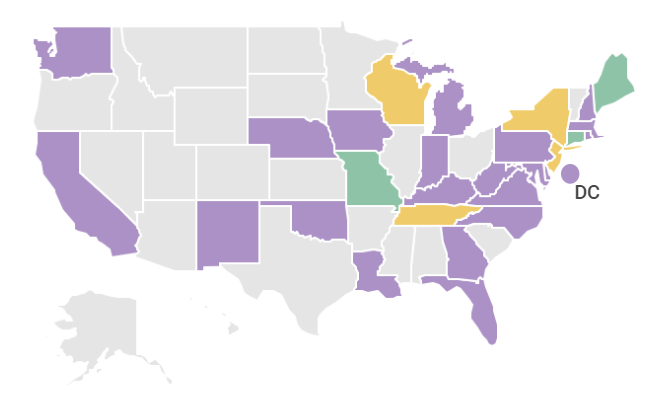
This report, prepared by NASHP for the federal Agency for Healthcare Research and Quality, summarizes how leading states analyze state and federal race/ethnicity data in strategic plans and reports aimed at reducing racial and ethnic disparities in health status and health care. It features Colorado, Connecticut, Georgia, Maryland, New Jersey, New Mexico, Rhode Island, and Utah, but also notes activity in Arizona, California, Massachusetts, Michigan, North Carolina, Ohio, and Virginia. Lessons from leading states can provide guidance for others exploring ways to launch or enhance health equity, consumer engagement, quality improvement, or cost containment initiatives.
Read full report here:
January 2011 -
Health Care of Children in Foster Care: Who's Keeping Track?
According to the data from the Administration on Children Youth and Families there are an estimated 600,000 children residing in foster care in our country. Each of these children enter foster care with a background of abuse or neglect sufficient to warrant being removed from their families. The children entering care present complex medical and emotional conditions that are taxing the capacity and the ability of the foster care system.
October 1997» -
Health Care Protocols and Standards for Treatment of Children in Foster Care: Overview of Issues
Much has been written concerning how health care needs of children in foster care have increased substantially over time and how it has become increasingly problematic for the child welfare system to address those needs. The literature seems to be in agreement that the problems encountered in the provision of adequate health care to this population are compounded by several other aspects of the system and its operation: changing placements of children that make continuity of care and continuity of the medical record difficult; child welfare agency's necessary focus on the immediate (v. ongoing) health needs of any particular child (within the context of a growing caseload and greater needs); and lack of awareness of foster care specific issues on the part of Medicaid agencies.
March 1997» -
Low Income Children with Disabilities: How Will They Fare Under Health Care Reform?
The purpose of this report is to alert public and private decision makers who are engaged in the health reform debate to the special circumstances facing low-income children with disabilities. These children require more care, different and specialized care, and more costly care than children without disabilities. Some benefit greatly from many of the services covered by the Medicaid program that are not reimbursable under private insurance plans; but too many of them are uninsured, underinsured, or cut off from vital support that could facilitate their well-being and development. Health reform could rectify may of the inadequacies of our current delivery and financing systems in meeting the special needs of this group of children.
August 1994» -
Flesh Or Bones? Early Experience of State Limited Benefit Health Insurance Laws
As one means of reducing health insurance premiums, since 1990 about half of the states have enacted laws waiving mandated benefits for health insurance plans sold to small groups and/or individuals. This study reviewed the laws and early experience in eight states where plans have been on the market in 1990 and 1991.
August 1992» -
Collaborative Strategies to Improve State & Local Public Health Systems: Is the Cold War Really Over?
The roles of financing and grant programs are intimately related. While grant programs like MCH and Community and Migrant Health Centers have always subsidized care, the extent of their responsibility is determined by the scope of the entitlement program. If Medicaid eligibility is low, grant funds must be used to subsidize more people. If, on the other hand, Medicaid coverage is expansive -- as with low-income pregnant women -- grant funds can be redirected to build or enhance "availablility" in other sectors of the delivery system. Exhibit A provides an illustration of the interrelationship of Medicaid, Maternal and Child Health and Community Health Centers.
August 1990»